Ops Term of the Month: Formation
Formation is about getting everybody to their mark, so the performance can actually happen.
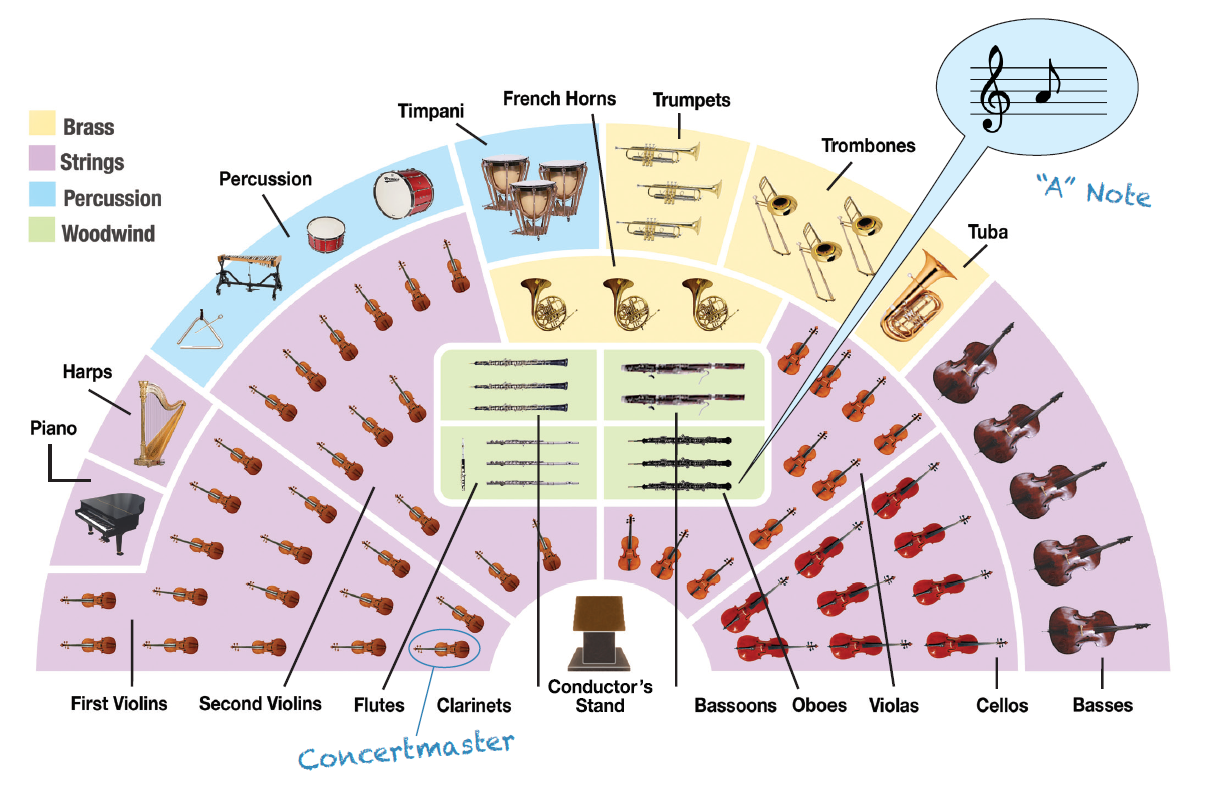
You've probably heard the word before. Beyoncé made sure of that. But formation shows up everywhere once you start looking for it: marching bands, sports teams, orchestras. In a marching band, everybody lines up in the right rows. Each section has its instrument. Each player has their spot. It doesn't mean there's no creativity or diversity. It just means that this particular arrangement is the best way to get the best performance. Everybody goes to their preset mark, and they're ready for the number they've practiced. That's formation.
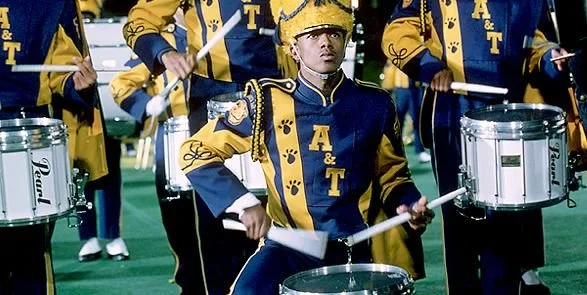
One band. One sound.
That's what you're going for in an organization too. And to get there, you need clarity about roles, about goals, about where everybody is standing. Not in theory, but specifically. Because here's the thing: two organizations might both have a role called Executive Assistant or Special Assistant. But in one organization, that person manages travel. In another, they go on behalf of the CEO to deliver messages when the CEO isn't available. Those are completely different jobs. Same title. Completely different formation. So the first question isn't who is in the role. It's what does that role actually do, at its best, in your specific organization?
Formation increases the likelihood of result.
Think about a football team before a play. Before anything moves, everybody goes to exactly where they're supposed to be, based on their role on the field and based on the play they're running. That pre-play formation isn't just ceremonial. It's functional. It lines everybody up so that when the play starts, each player can use their skills in exactly the right spot, at exactly the right moment. Organizations work the same way. When your people know their roles, understand their goals, and are standing in the right place, the play has a real chance of working.
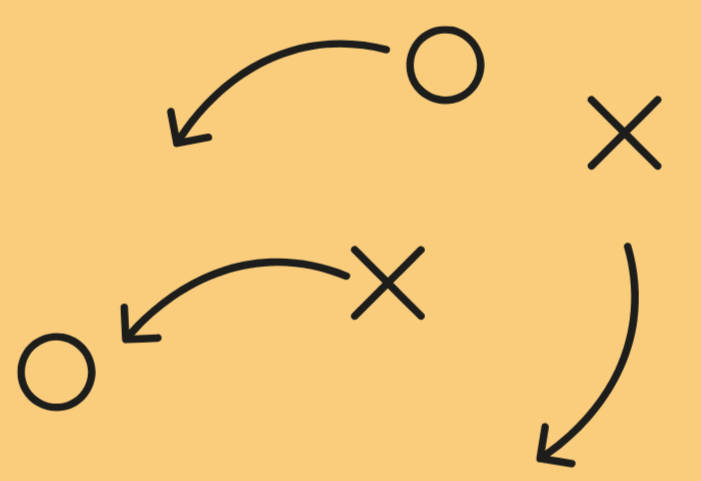
Getting into operational formation means knowing who's on the field and what each player is there to do. Not just on paper, but in practice. When that clarity exists, the work moves. When it doesn't, even talented people end up in the wrong spots, working hard but not quite in sync.
Formation isn't about rigidity. It's about readiness. Get your people to their marks, then let them play.
We shared this article in E.TBD’s newsletter in May. You can read the full issue here or subscribe here.