
Ops Term of the Month: Return
Return to what matters.
Lots of times when we talk about operations, we’re looking at what keeps us moving forward, making progress, and actualizing the future. But today, we’re focusing on the return.
I’ve just returned from an epic girls trip to Paris and Barcelona, cities I last visited about 15–17 years ago. The Louvre had the same iconic triangular shape, but this time Baltimorean friends and family were taking pictures with me, and that made the foreground beat the background. It was a bobbly trip getting there, with airline strikes and re-routing, but we made it. And though we soaked up the moment, we also needed to have a plan for departure.
If you want to go anywhere, you’ve also got to operationalize the return. Personally, that means figuring out how to take multi-leg flights after you’ve over-shopped the size of your luggage (yup, happened), and when to leave for the airport after an impromptu warning of torrential rain and flash flooding near departure time (yup, happened too).
For organizations, focusing on the return also means multiple things¹.
1) Focus on the real return (and figure out how to show it).
Often, impact-focused enterprises grapple with how to translate the traditional dollar-focused concept of return on investment (ROI) to the real return they are seeking: a young person whose self-esteem and life trajectory change through frequent contact with a caring adult.
Now, that contact could be a byproduct of an arts program that incorporates math fluency, or a youth entrepreneurship initiative. You can calculate the cost per young person by dividing the program cost by the number of participants. But the real return on that investment is the impact…yes, on all, yes, on any, and also, just on one. That one young person whose life has been changed in immeasurable ways.
When I visited the National Great Blacks in Wax Museum as part of CLLCTIVLY’s Elmer and Joanne Martin Social Impact Fellowship, I was gifted with the opportunity to sit down with co-founder Dr. Joanne Martin. She told stories about the myriad of young people who came in search of jobs and gained confidence through becoming docents. Then there are the aunts and uncles and busloads of church people and children who experienced the stories of great figures told through wax, right there on Baltimore’s North Avenue. The museum chose a neighborhood whose historical and cultural value had been undervalued, and made that value visible. Impact.
This is what I’ll tell ya: just because the math hasn’t quite been figured doesn’t mean you shouldn’t be going for the lifelong impacts. In addition to traditional metrics like attendance, program completion, and skills gained, the operational question becomes: how do we make sure we’re capturing the real impact, too?
Count what you can count and show what you can show. Sometimes operationalizing something isn’t math or mechanics; it can be as straightforward as pictures, videos, and storytelling. Translate intermediate outcomes into scales that show progress over time. That’s it. So, when the scale catches up, you’ll already have the inputs needed.
And make capturing those things part of the work, with a person responsible and a regular time to collect them. Otherwise, the story can walk out the door with the person who witnessed it.
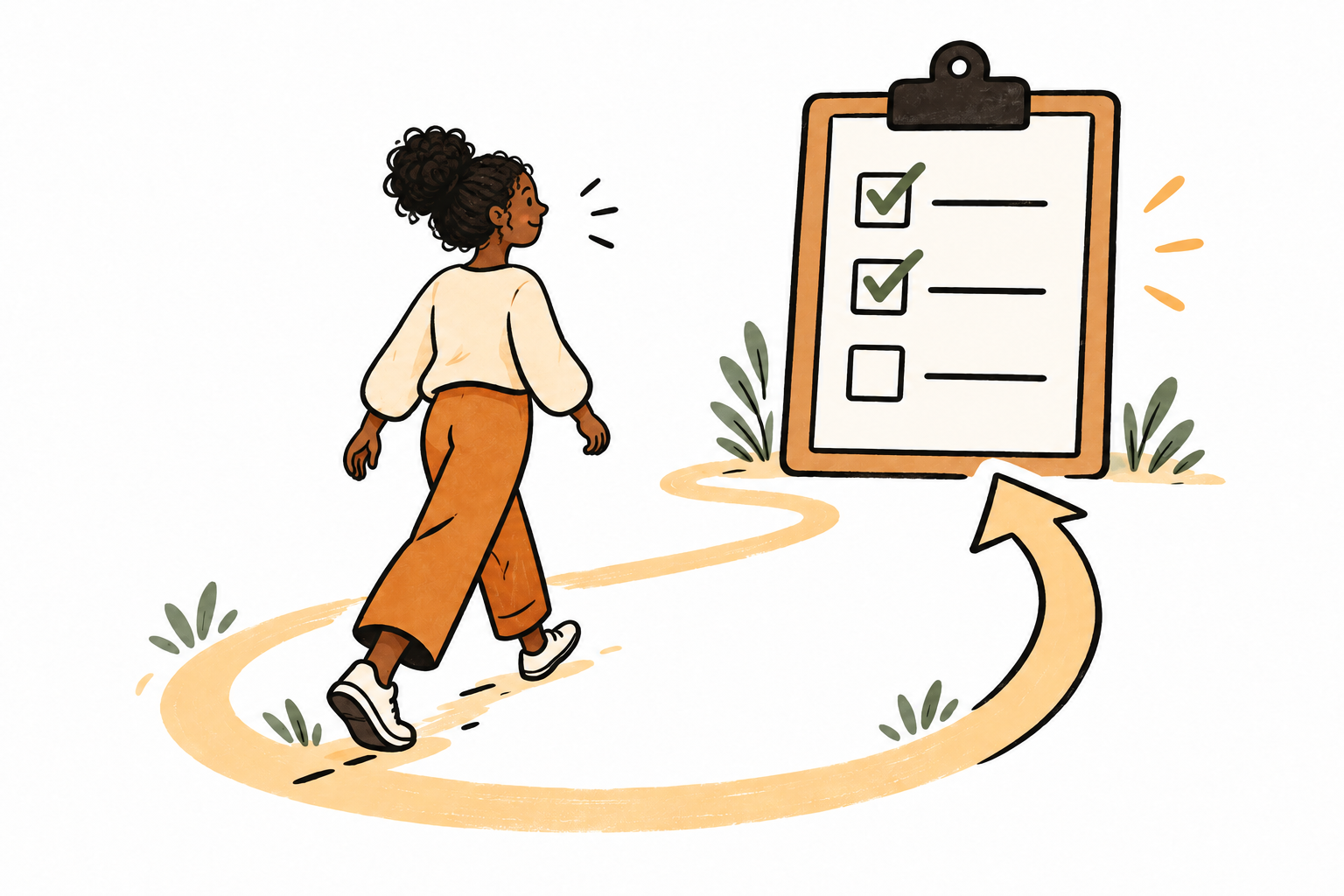
2) Return to the plan you’ve made to see how you’re doing.
When we train organizations on project management, we say it has two main parts: a) Plan the Work, and b) Work the Plan. From the front of the training session, I ask roomfuls of nonprofit staffers, “Which part do you think most teams fail at?”
My guess? The split between failing to plan and failing to work the plan is 50–50, or even 40–60. Orgs and the people in them get ahead of the game by making the plan, but so many don’t revisit it. And I’m like, uh, so you ain’t on plan or, more likely, you don’t know if you are on plan or not. So, the plan is not helping you. Nope.
Once you have made a project, strategic, or operational plan…you have to revisit it to see if you’re doing what you said you’d do. And not just at the end. That’s a retrospective, which is helpful, too. But you have to be looking at the map as you’re walking: are you still going in the right direction, hitting the mile markers you laid out, progressing?
Put the return on the calendar. Give the plan a standing place in the meeting. Somebody has to pull it back up and ask, “Where are we now?”
This allows you 1) to celebrate your progress, 2) to see where you’re off track and recalibrate, and 3) to recognize when the original direction no longer serves you and set a new course to meet the same intention.
3) Go someplace special, and also, return home.
My favorite place in the world is home. And my second favorite place is Barcelona, Catalunya, Spain. How do I know? Because I went there for two whole months to find myself and identify what mattered to me, then found my way back to that, back home to Baltimore. Now, home doesn’t have to be where you started (oftentimes it isn’t), but it is where you’ve found yourself to belong.
This trip felt special because I got to share familiar things with loved ones: rides on the metro, tapas con amigos, and the shoreline in Barceloneta. And do new things I never would have thought to do, like make fresh paella as a group. Returning lets you notice what still fits, what has changed, and what you want to bring home with you.
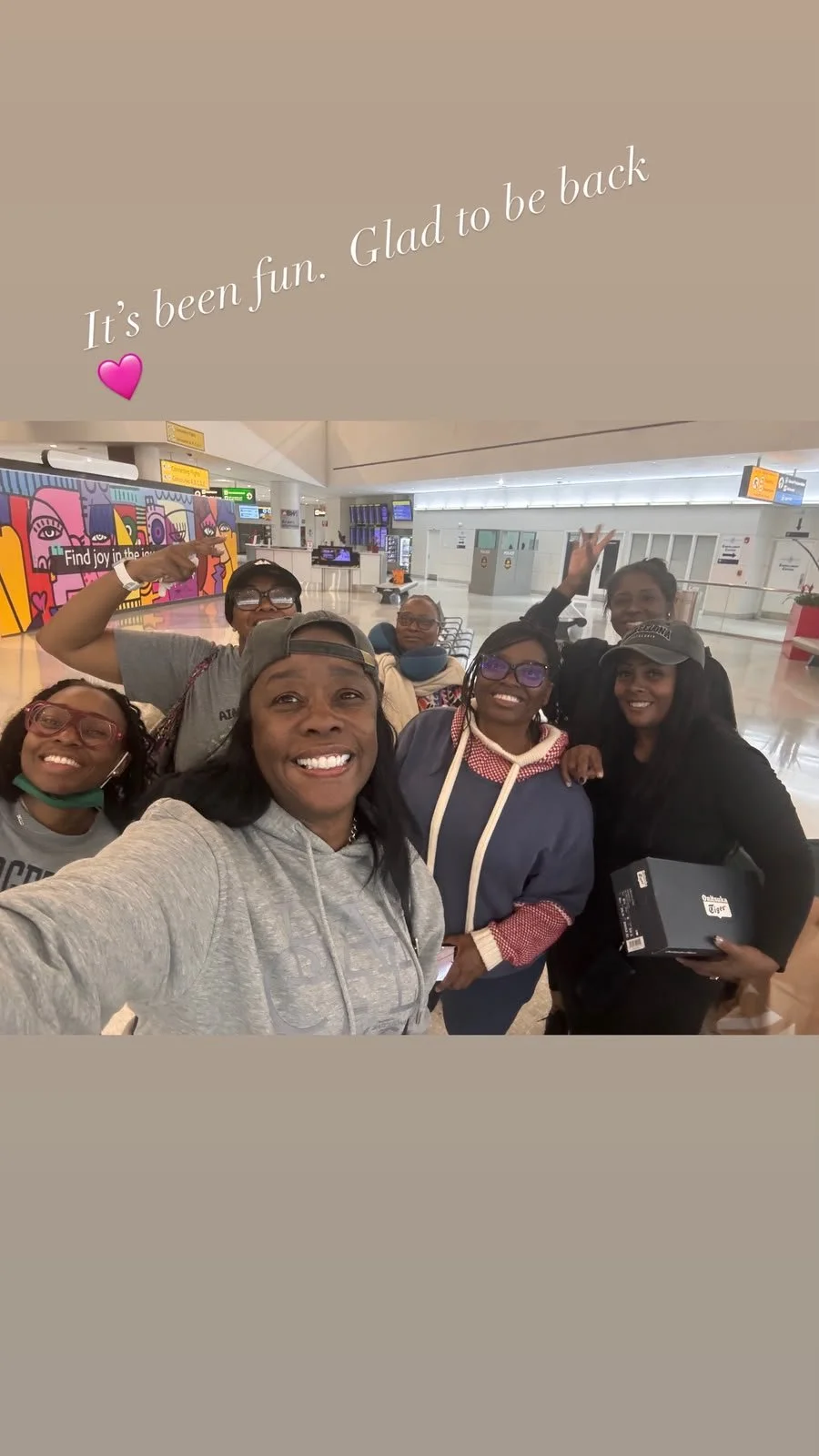




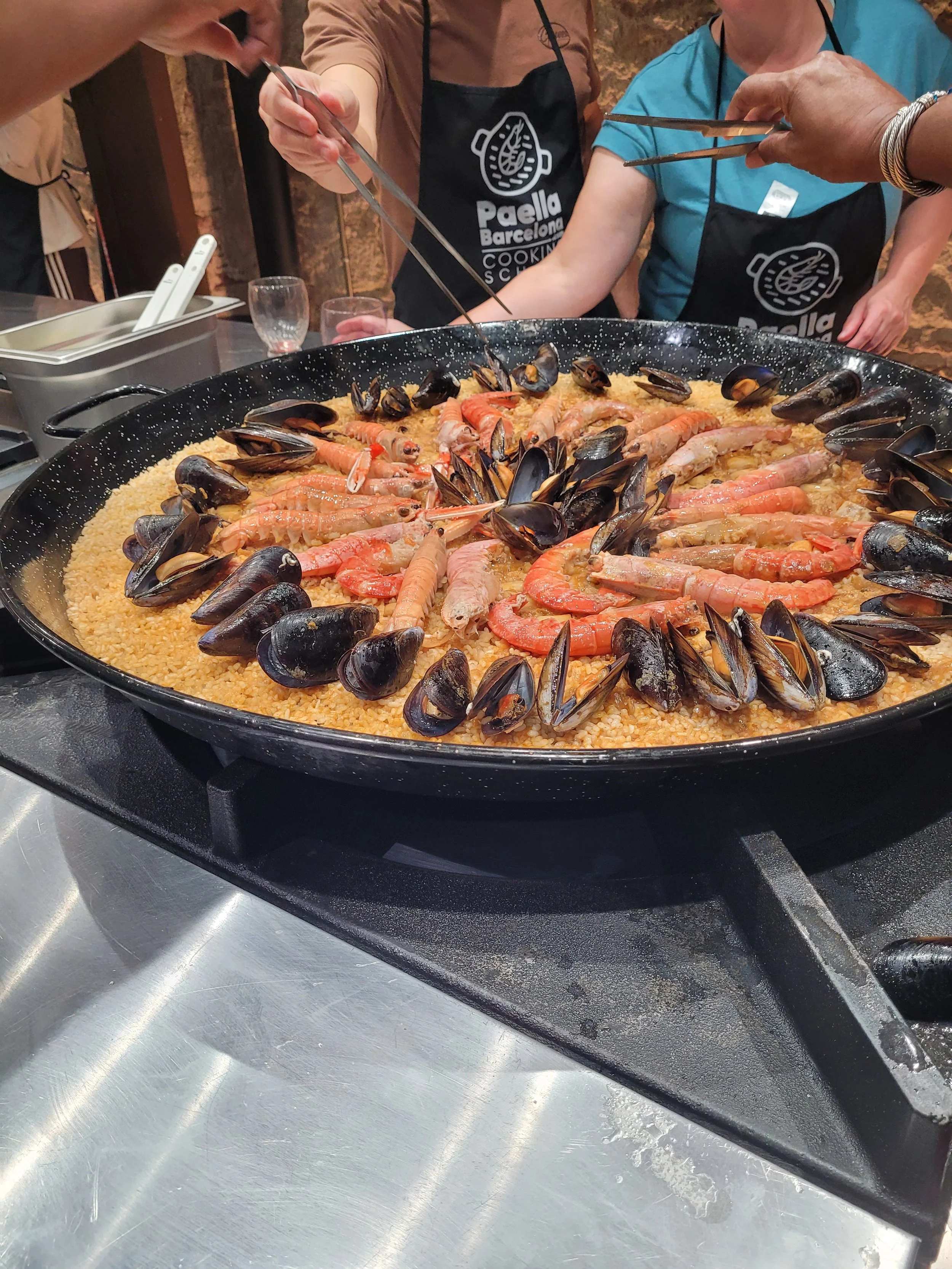
Pictures from the epic girls trip to Paris and then Barcelona. Hello, ladies!
In social enterprises, your original vision, say, a more economically equitable society, may not have changed. But the way you’re pursuing it has.
You probably have examples of your own: a process or approach needed to change to keep your organization moving toward its intention. You needed to go somewhere special to make it back home. You may not have named it a return, but you’ve come back to the purpose and found a new way to pursue it. One of the biggest examples was when impactful in-person programs went virtual in response to COVID shutdowns. It also happens in less disruptive times, like when an org expands into a new neighborhood and needs to learn its people and customs, and how to reach them differently than those it previously served.
You can return to what matters and choose a different way to get there.
Remember the return.
Know that impact outweighs dollars, even if we don’t have a scale to measure it yet.
Look back to see how far you’ve come.
There’s no place like the home you’re finding for yourself and others. Go out and explore, but remember to return to what is intended.
¹ A good double-entendre is one of my favorite things, so this is a special multiple-meaning edition of the ops terms, with meanings just-a-running rampant. Enjoy.
We shared this piece in E.TBD’s September’s newsletter. You can check out the full issue here and subscribe here.